
Single-use drink cups that contain plastic and are sold in the European Union must carry a standard marking. Most paper cups have a thin plastic coating inside, so they fall under this rule.
Where the rule comes from
The Single-Use Plastics (SUP) Directive 2019/904 requires a consumer-facing marking on drink cups that contain plastic. Implementing Regulation 2020/2151 sets how the marking looks and where it goes, and the rule has applied since July 2021.
Why paper cups are included
To hold liquid, the inside of a paper cup is usually coated with a thin plastic layer. Because the Directive covers cups “made wholly or partly of plastic”, paper cups with this coating must be marked too.
What the marking looks like
- The standard graphic defined in the Implementing Regulation is used.
- Next to it, text in the language of the country of sale says the product contains plastic.
- The marking is printed on the cup and must be easy to read.
How it fits into the print
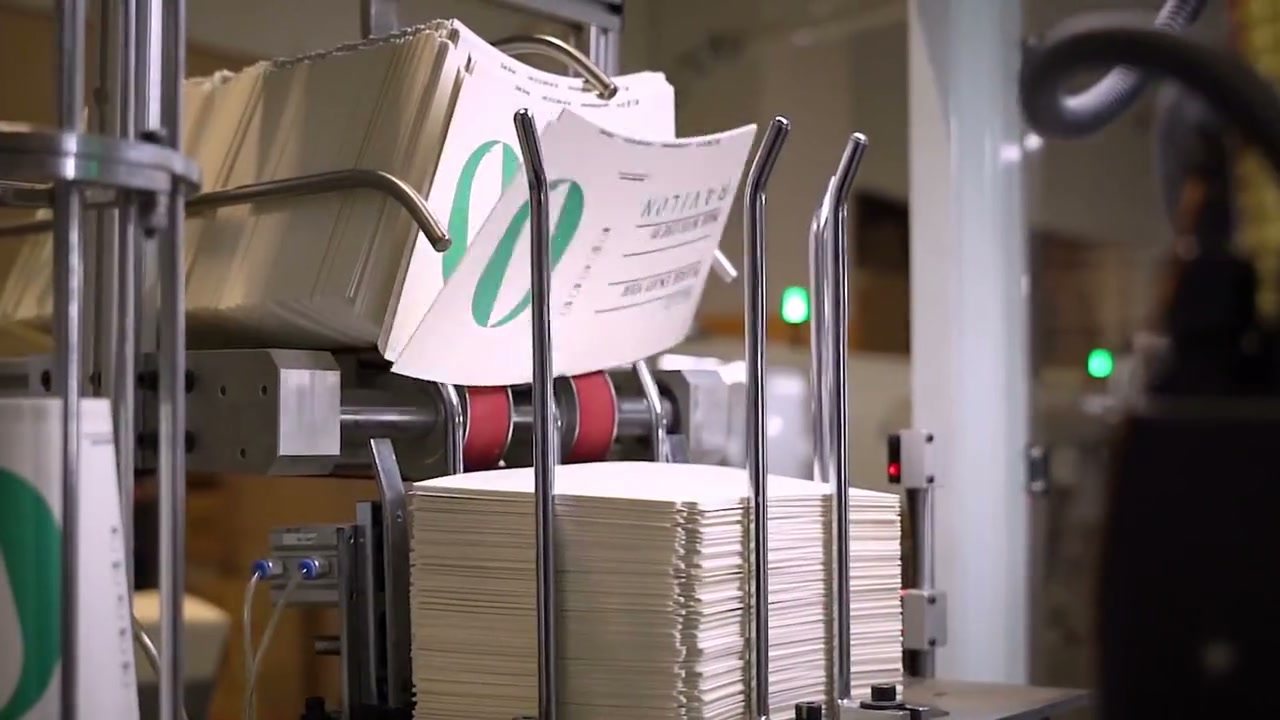
The marking is placed on the blank as part of the cup design. If you sell in several countries, its position for each language is planned from the start. Name your countries of sale in the quote form; you’ll see the marking on the print proof before you approve it.
This article is for general information. Check how the marking applies to your product against current legislation and with your importer.